FDIC-Insured – Backed by the full faith and credit of the U.S. Government

FDIC-Insured – Backed by the full faith and credit of the U.S. Government
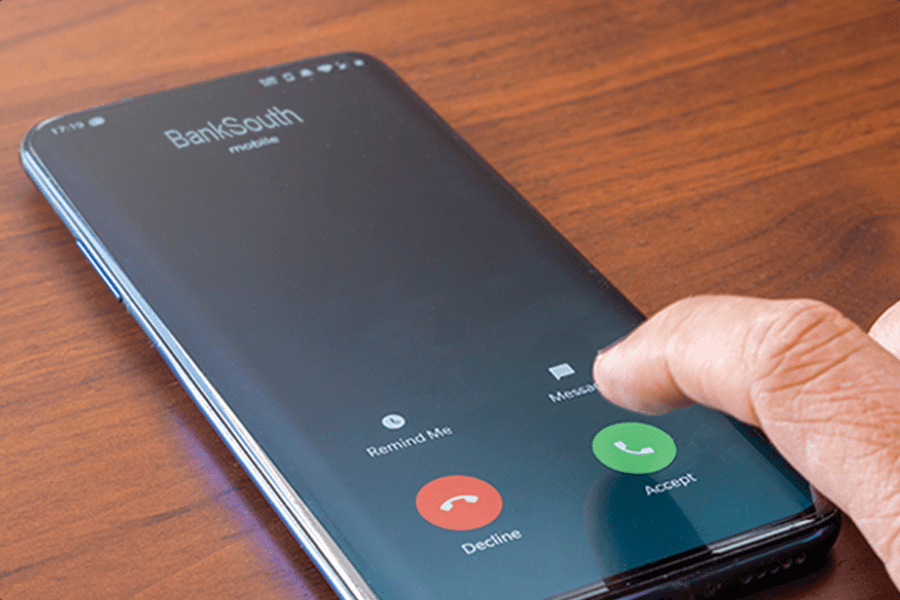
Bank spoof calls happen when scammers disguise their phone number to make it look like your bank is calling. The caller ID may even display the bank’s real name or number.
During the call, the fraudster often claims there’s suspicious activity on your account and urges you to share personal or banking information, move money, or verify security codes.
Banks will never ask you to provide sensitive information or transfer funds over the phone.
Bitcoin is an open source monetary system, known as cryptocurrency. That means it’s a way to store and send money digitally, using technology that anyone can see and verify because it’s completely public. It’s the world’s largest and most recognized digital asset.
Bitcoin fraud covers scams and criminal schemes that trick people into losing Bitcoin or other cryptocurrencies. For example, scammers may steal the secret codes for your cryptocurrency, trick you into sending coins to their account, or get you to invest through a bogus website that takes your money. Because Bitcoin transactions are irreversible, once your cryptocurrency is gone it’s very hard to recover.
For more detailed Bitcoin fraud prevention, head over to our Fraud Center to learn more.
A bank account takeover happens when scammers gain access to your online banking by stealing your login credentials or tricking you into sharing security codes sent to your phone or email. Once they’re in, they can transfer funds, change your account details, or even lock you out completely. If this happens, you’ll likely need to verify your identity with the bank before access can be restored.
View our latest news and get the latest industry updates on our blog.