FDIC-Insured – Backed by the full faith and credit of the U.S. Government

FDIC-Insured – Backed by the full faith and credit of the U.S. Government
As the year comes to a close, scammers ramp up their efforts, taking advantage of seasonal job searches, holiday excitement, and increased online activity. Fraudsters often rely on urgency, pressure, and unfamiliar technology to trick people into acting quickly. Being aware of common scams is one of the best ways to protect yourself and your finances this December.
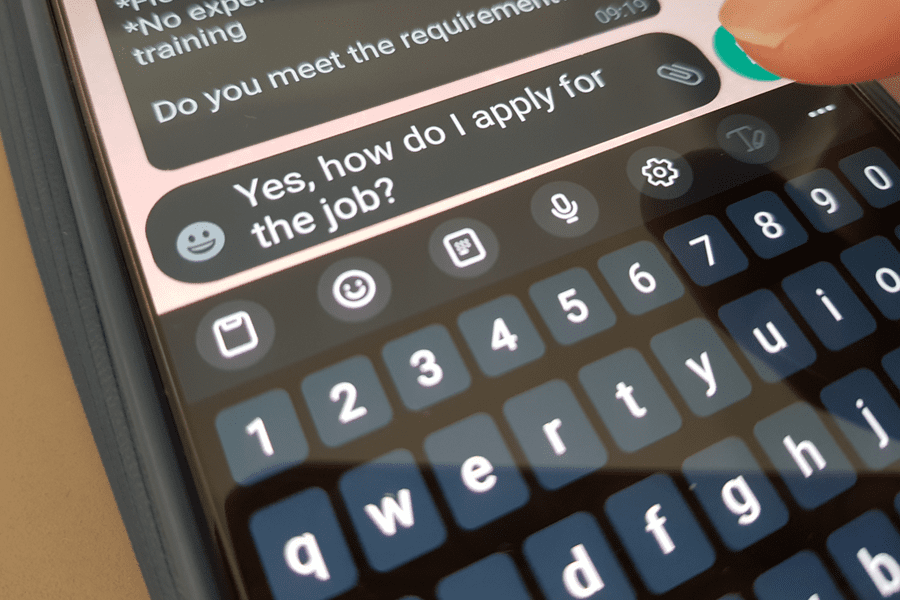
Job scams often target individuals searching for seasonal or remote work, particularly during the holiday season. Scammers may post fake job listings, conduct interviews via text or messaging apps, and offer high pay for minimal work. Victims are commonly asked to pay upfront fees, purchase equipment, or share personal and banking information.
Sweepstakes scams claim you’ve won a prize, gift card, or cash award, but require payment or personal information before you can collect it. These scams often arrive through phone calls, emails, texts, or social media messages and may use official-sounding names or logos. Legitimate sweepstakes never ask winners to pay fees or taxes upfront; in fact, it’s downright illegal.
Tech support scams often start with a pop-up message on your computer, phone, or tablet, or with an unexpected phone call or email. The message may warn that your device has a serious problem and needs immediate attention. Scammers pretend to be from well-known companies and pressure you to let them access your device or pay for services you don’t need. Once they gain access, they can steal personal information or damage your device.
View our latest news and get the latest industry updates on our blog.